Veteran Recovery Coalition (VRC)
A 501(c)(3) nonprofit organization
A clear path from crisis to stability for veterans and their families
We use a practical 5W based work plan, short term assistance, and long term follow ups to help veterans avoid homelessness, return to work or school, avoid falling into debt, and rebuild independence, with assistance coordinated through trusted service providers under strict financial oversight.
Dignity-first support
Over 10 years helping veterans recover, stabilize their lives, and reintegrate into society.
VRC supports economically disadvantaged veterans, veterans experiencing homelessness, disabled veterans, unemployed veterans, and veterans battling substance dependency with practical help and a clear plan forward.
Veteran led. Community supported. Built on accountability.
Programs & support
What we help with
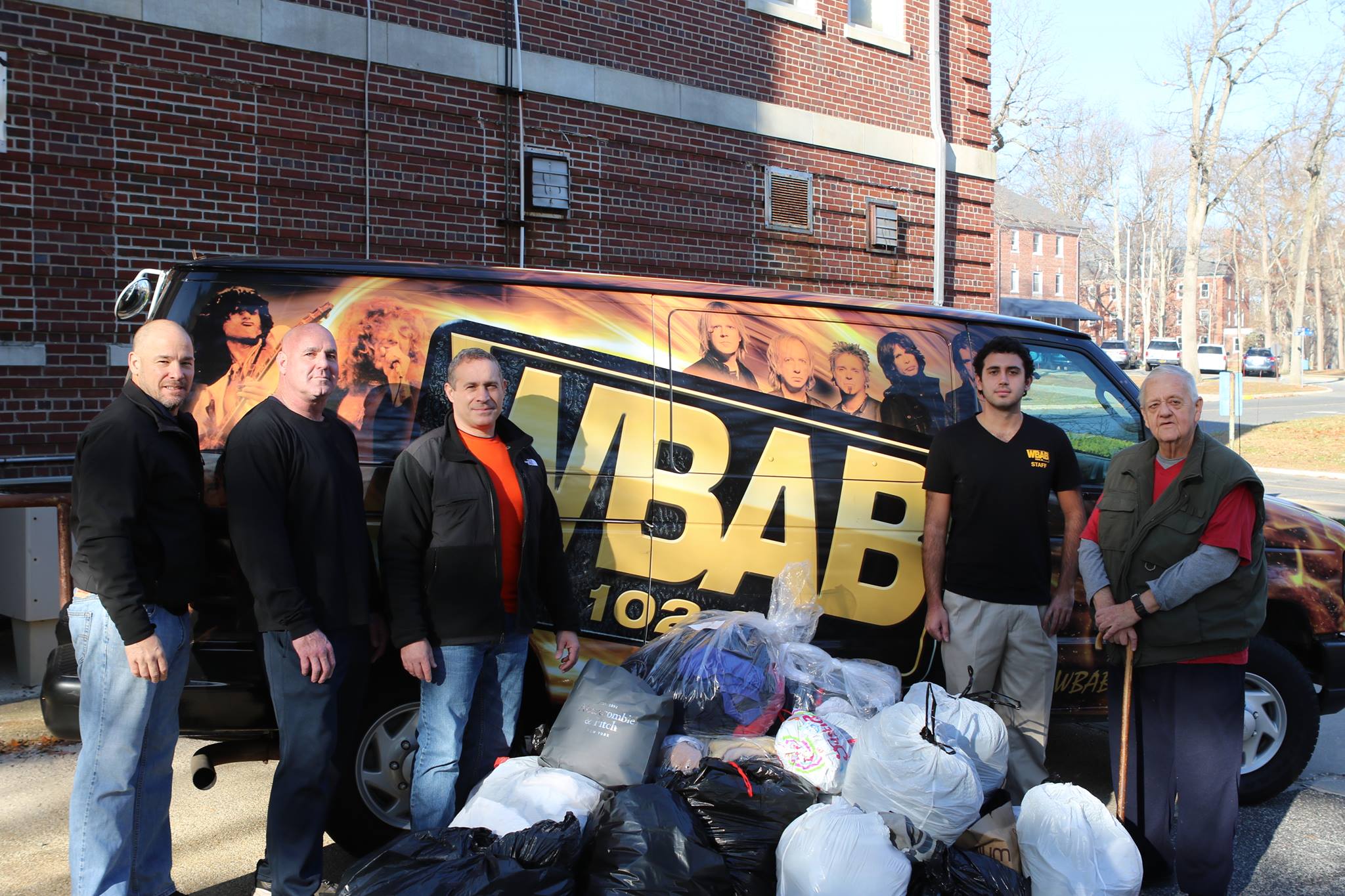
From immediate needs to long term self sufficiency, our services are designed to meet veterans where they are and move forward together. To ensure accountability and responsible use of donated funds, assistance is paid directly to landlords, utilities, grocers, repair services, and other partners providing support.
5W Case Management & Recovery Planning
We clarify who is involved, what happened, when it started, where support is needed, and why it escalated—then build a shared work plan with clear next steps.
Housing Stabilization Support
Help securing stable housing and navigating immediate needs after a housing loss or displacement, with a plan to regain long-term stability.
Employment & Income Support
Support finding employment and rebuilding income so families can move from short-term crisis relief to self-sufficiency.
Short-Term Utility & Food Assistance
Time-limited assistance for essential needs like utilities and food for up to a year, gradually reduced over time as stability returns.
How the 5W Model creates lasting change
We focus on clear planning, coordinated support, and follow-ups that taper over time—so veterans can keep moving forward.
A clear, personalized work plan
Shared responsibilities and realistic milestones that reduce overwhelm and build momentum.
Short-term help that supports long-term goals
Immediate needs are addressed without losing sight of housing, income, and long term independence.
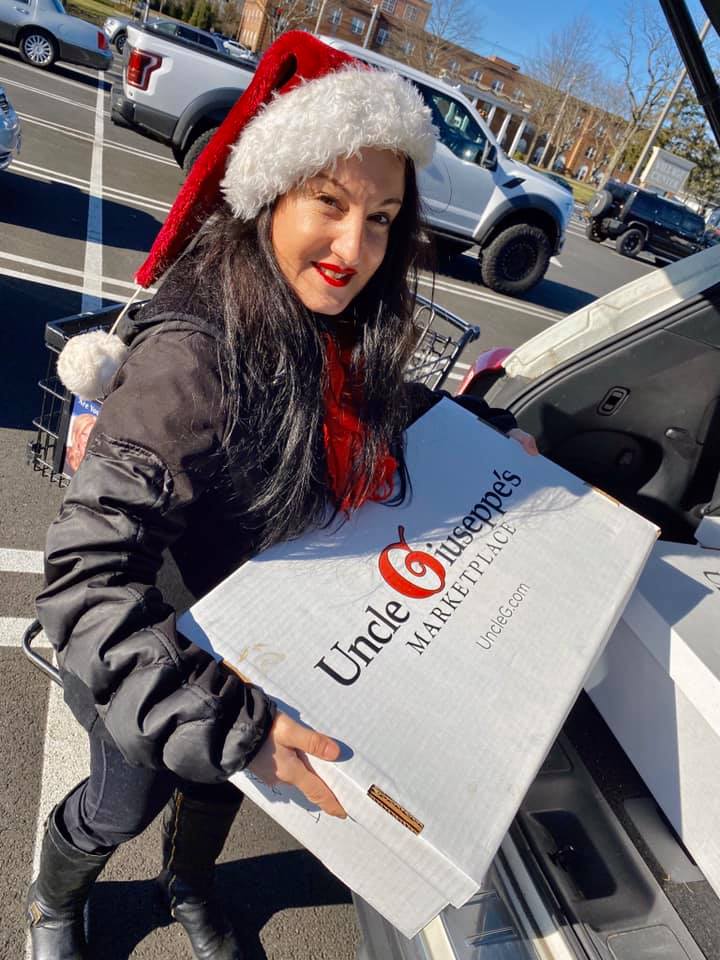
Long-term follow-ups that taper over time
Frequent check-ins early on, then monthly, quarterly, and annual touchpoints to prevent setbacks.
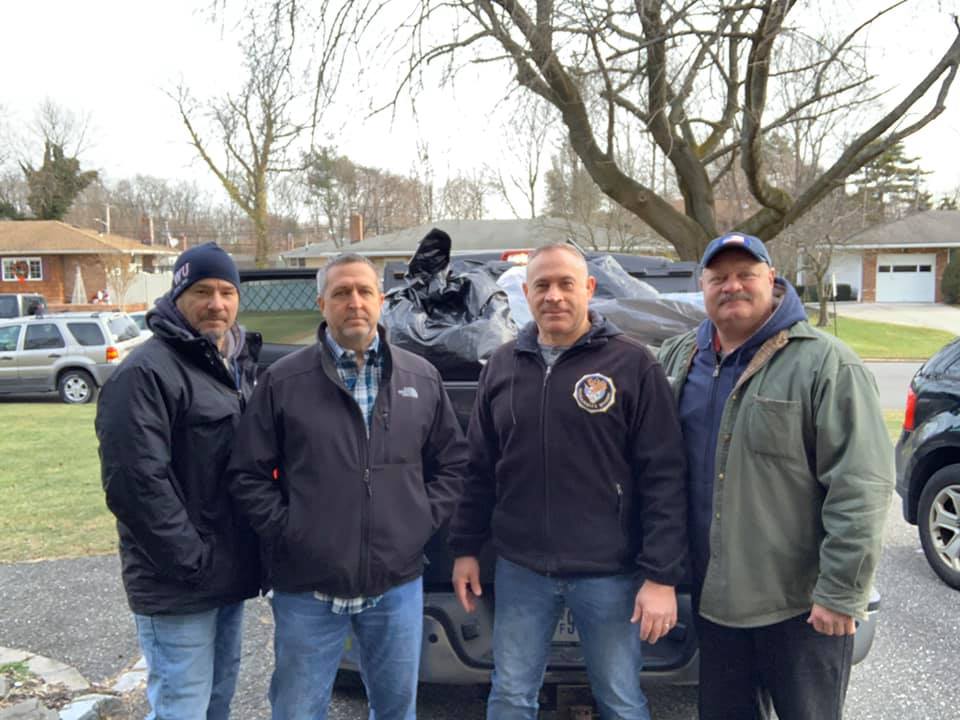
Respect, dignity, and trust
Veterans are treated as partners in their recovery, never as a number, with support built around their needs, goals, and dignity.
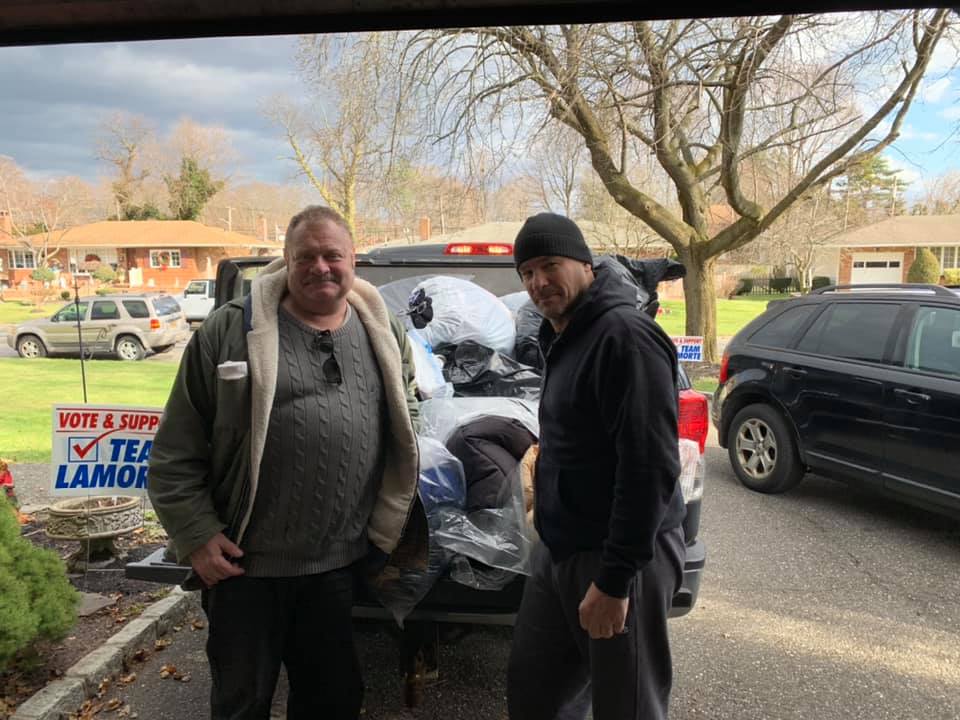
Accountable support that reaches the need
To ensure accountability, Veteran Recovery Coalition works directly with landlords, utility providers, auto repair centers, and other service providers so support goes exactly where it is needed.
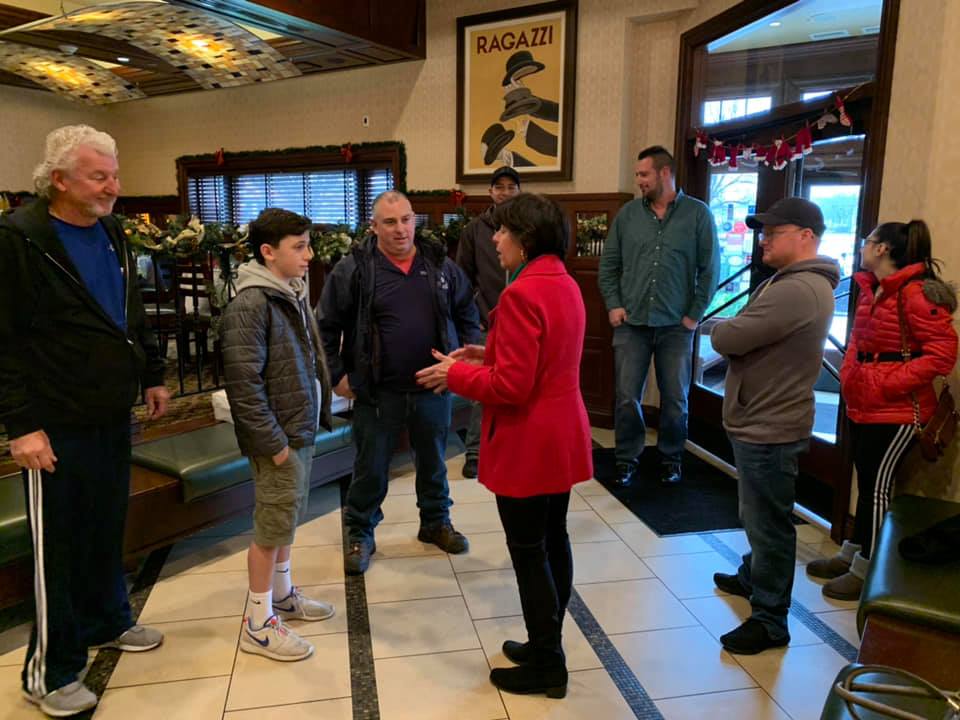
Community and partner network
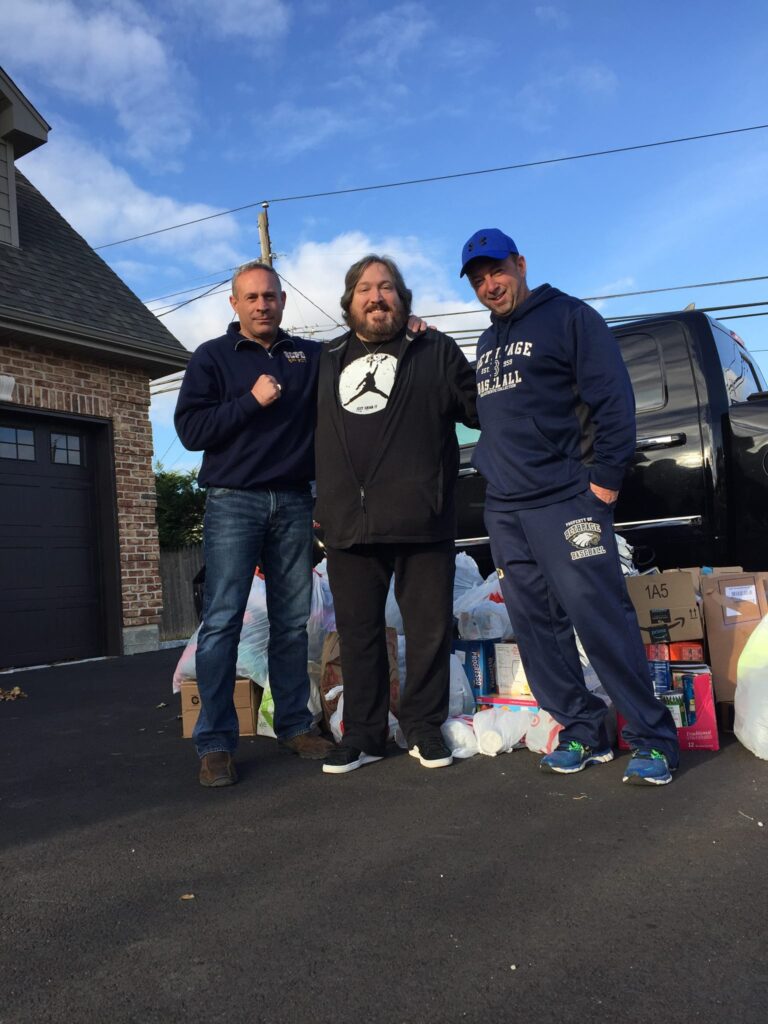
Local businesses, training partners, and service providers working together to help veterans rebuild stability and independence.
Stories of progress
Every situation is different. These examples reflect the kind of steady, practical support we aim to provide.
★★★★★
“I didn’t just get resources I got a plan. The follow-ups kept me accountable when things got hard.”
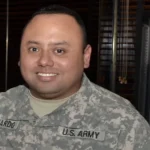
Allan Fajardo
U.S. Army Veteran
Housing stabilization & employment support
★★★★★
“VRC gave me the support I needed to stay in Texas and help communities recover after the July 2025 floods.”

Kim Moyer
U.S. Navy Veteran
Veterans helping communities recover
★★★★★
“The 5W approach made everything feel manageable. I knew what to do this week and what came after.”

Mike Kilano
U.S. Marine Corps Veteran
Case management & family support
Frequently asked questions
If you’re a veteran seeking help or a supporter looking to donate, these answers can help you get started.
Who can receive support from VRC?
Veteran Recovery Coalition supports economically disadvantaged veterans, veterans experiencing homelessness, disabled veterans, unemployed veterans, and veterans facing substance dependency. Our mission is to help veterans avoid homelessness, return to work or school, and rebuild long term independence.
What is the 5W Model?
The 5W Model is a practical case management framework that clarifies who, what, when, where, and why. VRC and the veteran work through this framework together to understand how the crisis situation developed, and then use the same process to build a Recovery, Stability, and Reintegration Plan with clear steps toward independence.
How do long-term follow-ups work?
VRC stays connected with veterans long after the immediate crisis.
Year 1: Frequent contact, including daily check ins when needed.
Year 2: Weekly check ins to support continued progress.
Year 3: Monthly follow ups as stability improves.
Year 5: Quarterly check ins to ensure long term stability.
Year 10: Annual follow ups to maintain connection and independence.
How can I donate or support the mission?
You can support VRC by making a donation, becoming a community partner, or helping connect veterans in need with our programs. Donations help coordinate housing stability, utilities, food, transportation, and employment resources for veterans working to rebuild independence under strict financial oversight.
You can donate directly on our Donate page. If you’d like to partner or volunteer, reach out through Contact.
I need help now…what should I do first?
Start by contacting us Contact.. We’ll listen, gather key details, and help you take the next step toward safety and stability.
Do you provide direct financial assistance?
When appropriate, VRC can coordinate short term assistance for essential needs such as utilities or food while working toward housing and income stability. To ensure accountability, assistance is coordinated through service providers and community partners, with payments made directly to the providers delivering housing, utilities, food, or other essential services under strict financial oversight.
Make an impact today
Help a veteran move from crisis to stability
Your donation supports case management, short-term assistance, and long-term follow-ups that help veterans regain housing, income, and independence.